EV Charging at Shopping Malls: Converting Dwell Time into Revenue
In today’s fast-evolving mobility landscape, ev charging at shopping malls is not just a “nice to have”it is a strategic lever for malls and retailers. When properly deployed, ev charging at shopping malls converts passive waiting time into active revenue streams, while offering ev charging solutions for businesses looking to differentiate and monetize.
Why Mall Parking is a Strategic Site for EV Charging
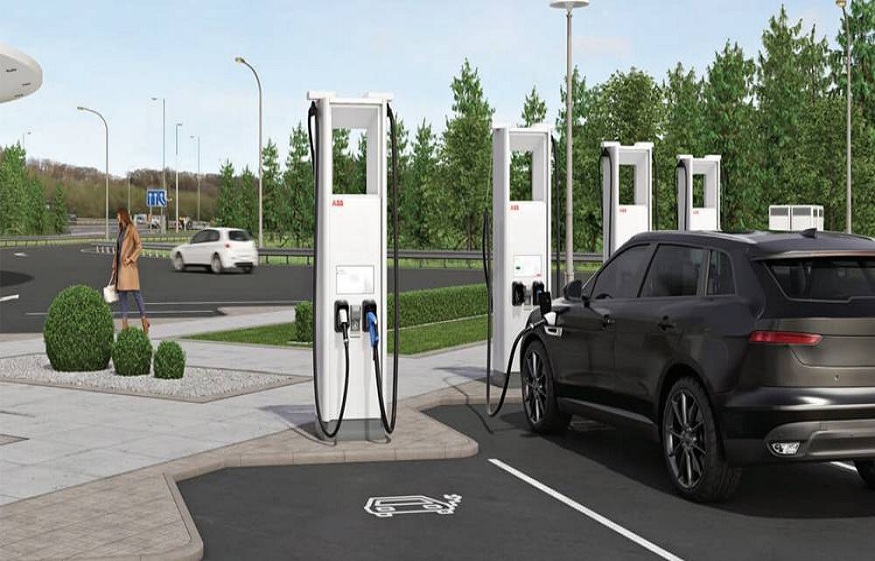
Shoppers often spend 1–2 hours per visit in malls, creating ideal “dwell time” windows. By installing ev charging at shopping malls, owners tap into this window: EV owners park and charge while shopping, dining, or catching a movie. This boosts footfall, lengthens dwell time, and increases in-store spend. Retailers and mall operators can capitalize on this synergy by offering ev charging solutions for businesses that integrate deeply with customer experience.
EV charging at shopping malls also signals a modern, eco-friendly brand image—important in markets where sustainability is a growing customer demand. Malls offering ev charging at shopping malls can attract EV drivers who prioritize convenience and emission-conscious destinations.
Monetization & Business Models
Pay-per-use charging fees
Charge users per kWh or per minute. Since ev charging at shopping malls is tied to dwell behavior, pricing must balance usage and fairness. Premium pricing could apply for fast charging, while slower charging is offered at lower rates.
Bundled retail incentives
Tie ev charging at shopping malls to retail incentives: e.g. “Spend ₹500, get 30 minutes of free charging.” This encourages users to shop more and secures cross-sales. These promotions leverage ev charging solutions for businesses to integrate charging and loyalty systems.
Idle/overstay fees
Once a car is fully charged, idle fees deter hogging. In ev charging at shopping malls deployments, idle penalties ensure turnover, maximizing throughput. EV charging solutions for businesses vendors often provide software to dynamically enforce these rules.
Advertising & sponsorships
Charging units become media sites. Malls can monetize ev charging at shopping malls by placing digital screens or branding on ev charging solutions for businesses equipment, charged to tenant brands or external sponsors.
Revenue share / partnership models
Malls may partner with charging network operators. Under such ev charging solutions for businesses, the operator installs and manages chargers, and revenue is shared. This removes upfront CAPEX burden from the mall.
Infrastructure & Operational Considerations
Charger mix & capacity planning
For ev charging at shopping malls, a mix of AC Level 2 and DC fast chargers is optimal. Many shoppers stay longer, so slower AC is acceptable, but ev charging at shopping malls also needs a few ev charging solutions for businesses with DC fast chargers to serve those doing quick stops.
Power & grid upgrades
Installing ev charging at shopping malls often requires major electrical upgrades: transformer capacity, feeder lines, load management systems, and possibly energy storage. EV charging solutions for businesses should include smart load balancing to prevent demand spikes and manage peak usage.
User experience & ease of use
For ev charging at shopping malls, stations must be clearly visible, easy to access from entrances, safe, well lit, with signage. EV charging solutions for businesses need to support seamless authentication (app, RFID, card) and integrated billing, minimizing friction.
Reliability & maintenance
Downtime is damaging. For ev charging at shopping malls, operational reliability is non-negotiable. EV charging solutions for businesses must include remote diagnostics, fault alerts, preventive maintenance, and fast service response.
Data & analytics
Charging usage, dwell correlations, and retail conversion metrics are vital. ev charging at shopping malls projects with strong data integration allow malls to see how charging behavior correlates with store visits. ev charging solutions for businesses often provide dashboards and APIs for these insights.
Strategic Recommendations & Best Practices
- Begin with pilot installations in high-traffic zones to validate usage patterns before large rollout.
- Use promotions to encourage early adoption (e.g. free charging weekends, loyalty rewards tied to ev charging at shopping malls).
- Integrate ev charging solutions for businesses with the mall’s loyalty & CRM systems to track cross-spend and return rates of EV users.
- Monitor charger utilization and optimize distribution—move or expand chargers based on data.
- Stay alert to regulatory incentives, grants, or subsidies for EV infrastructure—these can dramatically improve returns on ev charging at shopping malls.