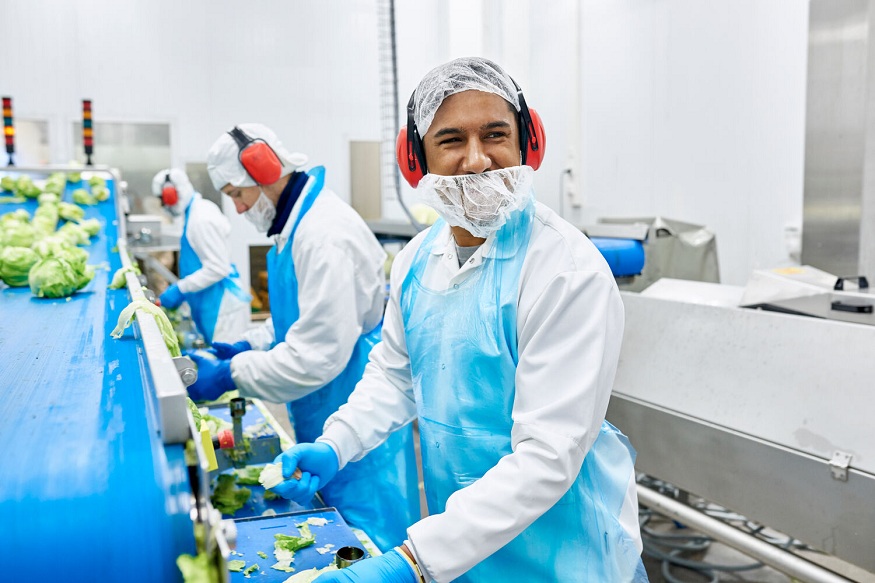
Why HACCP Uniform Laundry Service Matters for Clean Teams
Where clean workwear starts before the first shift
Food safety does not begin at the mixer, cutting table, packing line, or cold room. It starts before a worker step into the production area. A clean coat, smock, shirt, or pair of pants may look simple, but it plays a real role in keeping food areas controlled. We can talk about floors, gloves, tools, and hand wash rules all day, but uniforms are right there in the middle of the process. If they are not handled well, they can bring dirt, lint, stains, or outside germs into a space that needs care. That is why this guide looks at uniform care as part of food safety, not as a back-room chore. Many plants keep that process more steady with services built around HACCP uniform laundry service for safer daily routines.
We will keep the topic clear and useful. No heavy talk. No long rulebook language. This article explains what HACCP-focused uniform care means, why it helps food plants, what to check in a laundry plan, and how it supports cleaner staff habits. The goal is to help managers, safety teams, and plant leads make better choices without overcomplicating the job. Clean uniforms do not solve every safety issue, of course. Still, they support a cleaner line, a better audit trail, and a team that starts each shift ready.
How to connect uniform care with food safety goals
Uniforms touch the workday from start to finish. They move through locker rooms, break rooms, production lines, and wash systems. That makes them part of the safety plan. If a plant treats uniforms like normal clothing, control can slip. Home washing may mix workwear with street clothes, pet hair, food soil, or home laundry products. That is not ideal for a food setting. A managed laundry process helps keep uniform care more controlled.
Read More: 5 COMMON CASH FLOW MISTAKES THAT CAN SINK A GROWING BUSINESS
Food safety teams should think about uniforms the same way they think about tools and cleaning steps. Each item needs the right use, wash, return, and storage plan. Staff should know which garments belong in each zone. They should also know when to change soiled items. A clear plan keeps small errors from turning into bigger problems. It also helps everyone follow the same rules.
A strong uniform care plan should include:
- Clean garments for each shift.
- Clear rules for soiled items.
- Separate handling for dirty uniforms.
- Proper storage before use.
- Regular review by plant leaders.
What to check in a HACCP-focused laundry provider
A food plant should not choose a laundry partner by price alone. The service must understand controlled workwear needs. Ask how garments are picked up, sorted, washed, dried, checked, and returned. The process should reduce mix-ups and keep clean items away from dirty ones. It should also support the plant’s safety plan. A good provider makes the routine feel boring in the best way.
Tracking is also worth asking about. Plants need to know that uniforms are returned on time and in usable shape. Missing garments can lead to rushed choices. Damaged garments can create lint, loose threads, or a poor fit. The provider should have a system for repairs, replacements, and size changes. Clean service is good. Clean service with clear control is better.
- Ask about garment flow
Clean and soiled items should not cross paths in a careless way. The provider should explain how garments move through the process. Simple steps are easier to follow. That matters when the plant is busy.
- Review repair rules
Small tears can grow fast during shift work. Loose parts can also create a risk near food lines. Ask how repairs are flagged and handled. A quick repair plan keeps staff ready.
- Confirm delivery timing
Uniforms must arrive before they are needed. Late delivery can force poor choices. A steady schedule helps managers plan. It also keeps the team calm at shift change.
Why clean uniforms help during audits and inspections
Audits often look at habits, records, and visible controls. Uniforms sit right in that view. A clean and consistent workwear program shows that the plant takes hygiene seriously. It also makes it easier to explain how garments are handled. When uniforms look random or worn, questions can follow. Nobody wants a simple smock issue to steal focus during an audit. Better control helps the whole team look prepared.
A managed laundry plan can also support written procedures. Staff can follow set rules for clean pickup, dirty drop-off, and garment use. Managers can train new hires with less confusion. Safety leads can spot gaps faster. The result is not just cleaner clothing. It is a more reliable routine that supports the food safety culture.
Uniform control may help with:
- Clear worker identification.
- Cleaner production areas.
- Better shift readiness.
- Easier staff training.
- More audit confidence.
How to reduce cross-contact risks with better uniforms
Cross-contact can happen in quiet ways. A worker may move between areas without changing into the right garment. A soiled sleeve may brush a surface. A dirty coat may sit near clean items. These are small moments, but food plants are built on small controls. Uniform rules help reduce those weak spots. The cleaner the routine, the fewer chances for mistakes.
Color coding can help some teams. Different colors can show work zones, roles, or departments. This makes it easier to spot someone in the wrong area. Proper garment fit also matters because loose clothing can touch surfaces. Staff should be trained to report stains, damage, or missing items. A uniform program works best when people use it the same way every day.
Good risk control steps include:
- Use zone-based garments when needed.
- Keep soiled uniforms away from clean stock.
- Train staff on garment change rules.
- Replace damaged items fast.
- Store clean uniforms in safe areas.
What mistakes can weaken a food uniform program
The first mistake is treating uniforms as a side issue. In food work, apparel is part of the process. If rules are vague, staff will fill the gaps in their own way. That may mean home washing, reused dirty garments, or storage in the wrong spot. Those habits can grow because people are busy. Clear systems stop that drift.
Read More: CAN FOREIGNERS START A BUSINESS IN UAE WITHOUT A LOCAL SPONSOR?
Another mistake is failing to update the plan as the plant changes. New lines, new staff, and new products may change uniform needs. A plan that worked last year may not fit today. Managers should review garment counts, delivery times, repair rates, and staff feedback. The goal is not to make the plan fancy. The goal is to keep it useful.
Avoid these common problems:
- Letting staff wash workwear at home.
- Storing clean and dirty items together.
- Ignoring damaged garments.
- Ordering too few backup items.
- Skipping staff training refreshers.
Keep every shift cleaner from the start
Food safety depends on steady habits. Clean uniforms are one of those habits that people may overlook until a problem appears. A good laundry plan helps keep garments clean, ready, and matched to the plant’s needs. It also supports safer movement, smoother audits, and a more organized team.
We believe the best place to begin is with a simple review of your current uniform flow. Look at where garments come from, where they go, and where control may break down. Then choose a system that makes the safe choice the easy choice. Give your food team a cleaner start to every shift, and let the workwear routine support the care your products deserve.